
What to Know About Rhinoplasty: Dr. Mayur Shetty Explains
Introduction
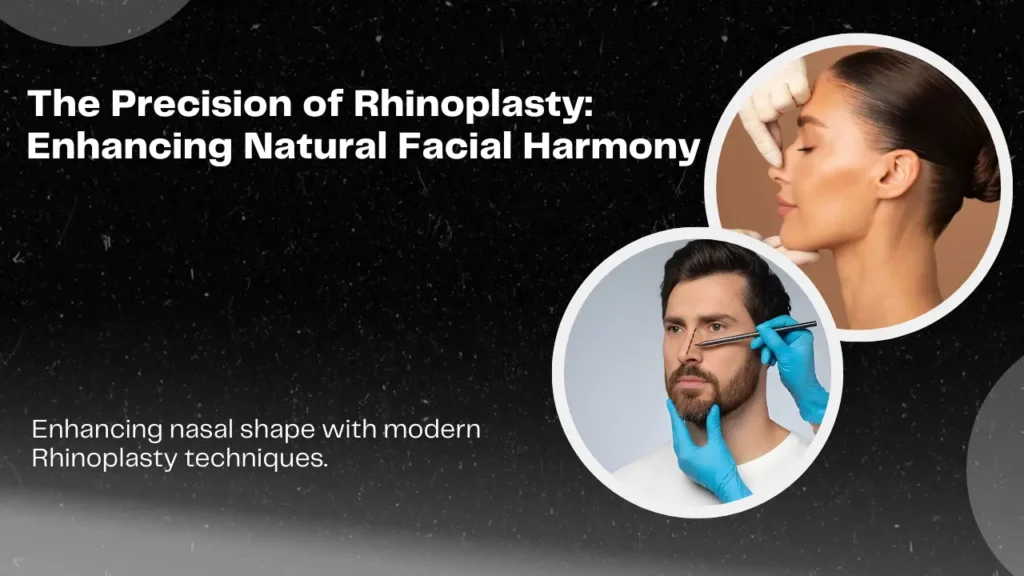
The nose sits at the very centre of the face, and even subtle changes to its shape or proportion can have a remarkable impact on overall appearance. For many individuals, rhinoplasty offers the opportunity to address long-standing concerns about their nose, whether cosmetic or functional, with lasting and natural-looking results. If you have been considering this procedure, having a clear understanding of what it involves, what to expect, and how to prepare is key. Dr. Mayur Shetty brings precision, artistry, and patient-focused care to every rhinoplasty procedure, ensuring each outcome is tailored to the individual.
What is Rhinoplasty?
Rhinoplasty is a surgical procedure that alters the structure of the nose to improve its appearance, its function, or both. It is one of the most technically demanding procedures in plastic surgery, requiring a thorough understanding of nasal anatomy, facial proportions, and aesthetic balance. The procedure can address concerns ranging from a prominent nasal hump and wide nostrils to breathing obstructions caused by a deviated septum. Every rhinoplasty is unique, and the surgical plan is always built around the patient’s individual anatomy and goals rather than a standard template.
Common Reasons for Rhinoplasty
People choose rhinoplasty for a wide spectrum of reasons, both aesthetic and medical:
Cosmetic Enhancements:
- Shape and Size: Reducing or refining the overall size of the nose to bring it into better proportion with other facial features
- Profile Adjustment: Eliminating a dorsal hump or filling a depression along the nasal bridge for a smoother profile
- Tip Refinement: Reshaping a bulbous, drooping, or overly pointed nasal tip for a cleaner, more balanced look
- Nostril Size: Narrowing wide or asymmetrical nostrils to improve facial harmony
Functional Improvements:
- Breathing Difficulties: Correcting a deviated septum or other internal structural abnormalities that restrict airflow
- Post-Trauma Reconstruction: Restoring the natural appearance and function of the nose following an accident or injury
Benefits of Rhinoplasty
When performed by an experienced plastic surgeon, rhinoplasty can deliver meaningful and lasting improvements:
- Improved Facial Harmony: A reshaped nose that sits in natural proportion with the eyes, lips, and chin
- Better Breathing: Structural corrections that make a genuine, measurable difference to daily respiratory comfort
- Greater Confidence: Many patients report a significant improvement in self-esteem and how they present themselves after surgery
- Long-Lasting Results: Unlike non-surgical treatments, surgical rhinoplasty delivers permanent structural changes that stand the test of time
Signs You May Be a Candidate
Rhinoplasty may be worth considering if you:
- Feel that your nose is disproportionately large or small relative to your other facial features
- Have a visible hump, bump, or irregularity along the nasal bridge
- Are unhappy with the appearance of your nasal tip, whether it appears drooping, bulbous, or upturned
- Struggle with nasal congestion or restricted breathing that has a structural cause
- Have experienced a nasal fracture or injury that altered the appearance or function of your nose
- Are in good overall health, are a non-smoker or willing to quit, and have realistic expectations
Rhinoplasty candidates should generally be adults whose facial development is complete. For women, this is typically around 16 to 17 years of age; for men, slightly later. Dr. Mayur Shetty assesses each patient individually to confirm suitability.
Consultation and Assessment
A thorough consultation is the foundation of a successful rhinoplasty outcome. Dr. Mayur Shetty takes time to understand each patient’s concerns and priorities before recommending any surgical plan:
- A comprehensive physical assessment of nasal structure, skin thickness, cartilage strength, and facial proportions
- A detailed review of the patient’s medical history, past nasal procedures, allergies, and current medications
- An in-depth discussion of the patient’s aesthetic goals, lifestyle, and any functional concerns
- Use of imaging where appropriate to assist in visualising expected changes
- A clear explanation of the proposed surgical approach, expected results, recovery timeline, and potential risks
- Pre-operative blood tests and any additional investigations as required
Recovery After Rhinoplasty
Healing after rhinoplasty is gradual and requires patience. The nose continues to refine over many months, and the full result is not immediately visible. Here is a realistic guide to what recovery looks like:
Week 1 to 2: A nasal splint is applied immediately after surgery and worn for approximately seven days to protect and support the healing structure. Swelling, bruising around the eyes, and mild discomfort are normal and expected. Rest is essential, and patients should avoid bending, straining, or blowing their nose.
Week 3 to 4: The splint is removed and most visible bruising fades. Swelling continues to reduce, and patients generally feel well enough to return to work and light social activities. The nose will still appear slightly swollen and not yet reflect the final result.
Week 5 to 6: Daily activity largely returns to normal. Patients are advised to continue avoiding contact sports, heavy lifting, and any activity carrying a risk of impact to the nose for at least six weeks post-surgery.
Months 3 to 12: The nose gradually continues to refine as residual swelling resolves. The final result of rhinoplasty typically becomes fully visible between 9 and 12 months after surgery. Scars from open rhinoplasty, if present, fade significantly over this period.
Dr. Mayur Shetty provides each patient with detailed post-operative care instructions and remains closely accessible throughout the recovery process to ensure the best possible outcome.
Coping and Emotional Well-Being
The period following rhinoplasty, particularly the first few weeks, can test a patient’s patience. The nose may look swollen or not quite as expected in the early stages, which can feel discouraging. It is important to remember that this is entirely normal and that the healing process takes time. Staying connected with Dr. Mayur Shetty during recovery, attending all follow-up appointments, and following post-operative care instructions closely all contribute to achieving the best possible outcome. Emotional support from those around you can make a significant positive difference during this period.
Conclusion
Rhinoplasty is a procedure where surgical skill and artistic sensibility must work hand in hand. The goal is never to create a nose that looks operated on, but one that looks as though it always belonged. When the surgery is thoughtfully planned and precisely executed, the results blend seamlessly with a patient’s natural features, improving both appearance and function in a way that feels authentic and enduring.
Whether your concern is cosmetic, functional, or both, a consultation with Dr. Mayur Shetty is the most important first step towards understanding your options and making an informed, confident decision.
For more information or to schedule a consultation, contact Dr. Mayur. You can book your appointment at two convenient locations:
Skinspire Clinic: 080 2990 0098
Manipal Hospital, Airport Road: +91 63637 49306
Take the first step towards a nose you feel confident about.