
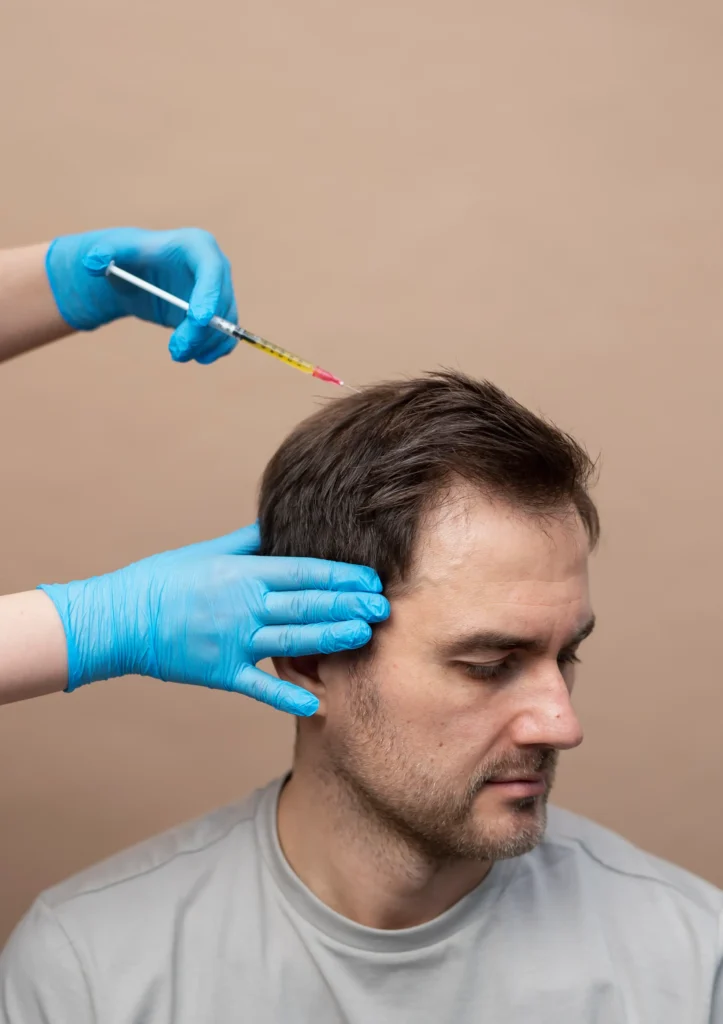
HAIR LOSS TREATMENT
HAIR LOSS TREATMENT & HAIR RESTORATION WITH DR. MAYUR SHETTY
Restore Hair Growth, Density, and Confidence
Hair loss affects both men and women and can occur due to genetics, hormonal changes, stress, medical conditions, nutritional deficiencies, or ageing. Thinning hair, receding hairlines, and bald patches often impact confidence and overall self-image.
Early evaluation and a structured treatment plan are essential for effective management. Some patients benefit from medical therapy and regenerative treatments, while others may require surgical restoration.
Hair restoration focuses on reducing hair fall, strengthening existing follicles, and promoting healthy regrowth. The goal is not only visible improvement, but natural-looking density that blends seamlessly with your existing hair pattern. Every treatment plan is personalised based on the stage of hair loss, scalp health, donor availability, and long-term expectations.

ARE YOU THE RIGHT CANDIDATE?
- Hair restoration may be suitable if you:
- Notice early-stage or moderate hair thinning
- Notice early-stage or moderate hair thinning
- Experience excessive hair fall
- Want to prevent further hair loss
- Have sufficient donor hair for transplantation
- Maintain good overall health
Non-surgical treatments like PRP or GFC require active hair follicles to stimulate. Hair transplant surgery requires adequate donor hair for successful grafting. Early consultation significantly improves the chances of preserving and restoring natural hair.
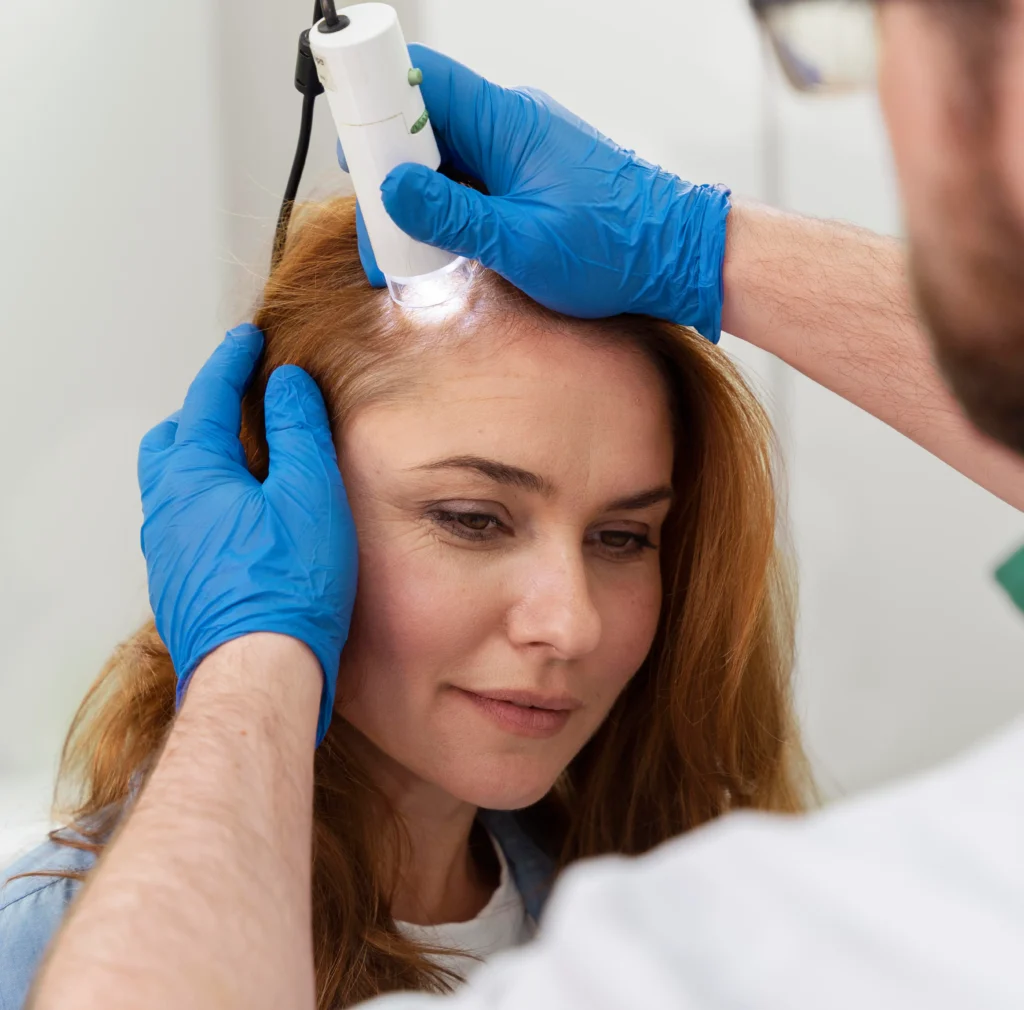
HOW THESE TREATMENTS WORK
Hair restoration typically follows a stepwise approach depending on severity and progression.
Medical Management (Foundation Therapy)
Medical treatment forms the foundation of most hair restoration plans. It helps:
- Reduce active hair fall
- Strengthen weakened follicles
- Improve scalp circulation
- Support early regrowth
- Maintain results after PRP or transplant
A detailed scalp and hair analysis is performed to identify the underlying cause before starting medication. Consistent use improves long-term stability and slows progression.
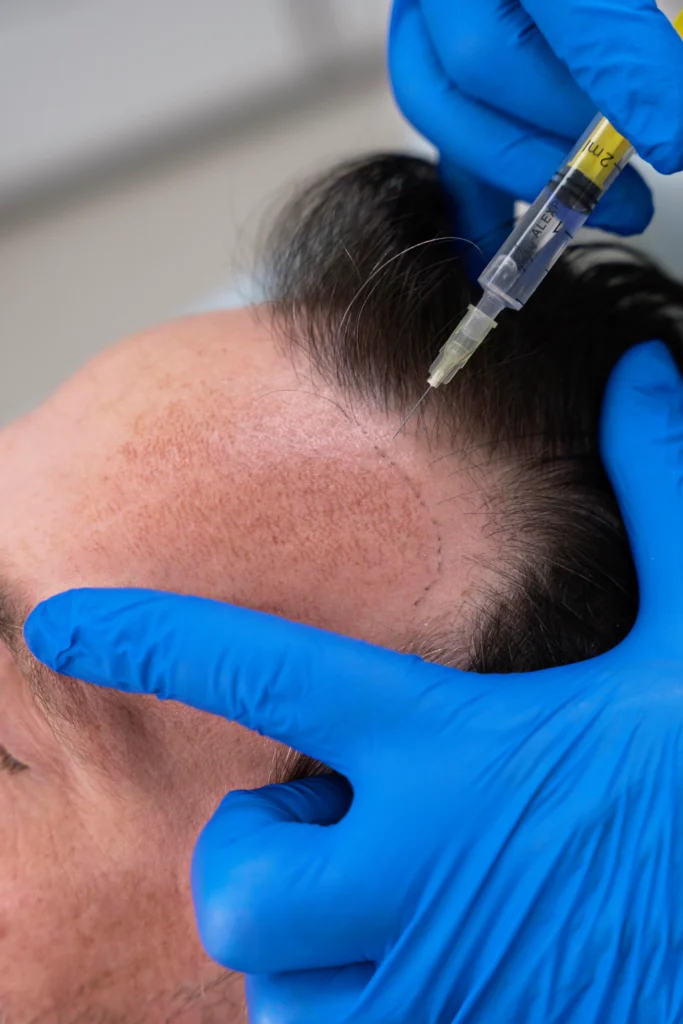
PRP & GFC Therapy (Non-Surgical Regeneration)
PRP (Platelet-Rich Plasma) and GFC (Growth Factor Concentrate) are regenerative treatments that use your body’s own growth factors to stimulate weakened hair follicles.
Procedure:
- A small amount of blood is drawn
- It is processed to concentrate growth factors
- The solution is injected into thinning areas of the scalp
- Support early regrowth
- Maintain results after PRP or transplant
Benefits:
- Improves hair thickness and density
- Strengthens roots
- Reduces ongoing hair fall
- Support early regrowth
- Minimally invasive with minimal downtime
Multiple sessions are usually recommended for optimal results. These treatments are ideal for individuals with early to moderate thinning who prefer non-surgical options.
Hair Transplant Surgery (Permanent Restoration)
Hair transplant surgery provides a long-term solution for advanced hair loss or receding hairlines. Healthy hair follicles are relocated from donor areas (usually the back or sides of the scalp) to areas of thinning or baldness, where they continue to grow naturally.
Techniques:
FUE (Follicular Unit Extraction)
- Individual follicles are extracted and implanted
- No linear scar
- Faster healing
- Support early regrowth
- Natural-looking hairline design
FUT (Follicular Unit Transplantation)
- A thin strip of scalp is harvested
- Divided into follicular units
- Suitable for advanced baldness
- Allows a larger number of grafts in one session
The choice of technique depends on the severity of hair loss, donor availability, and desired density.
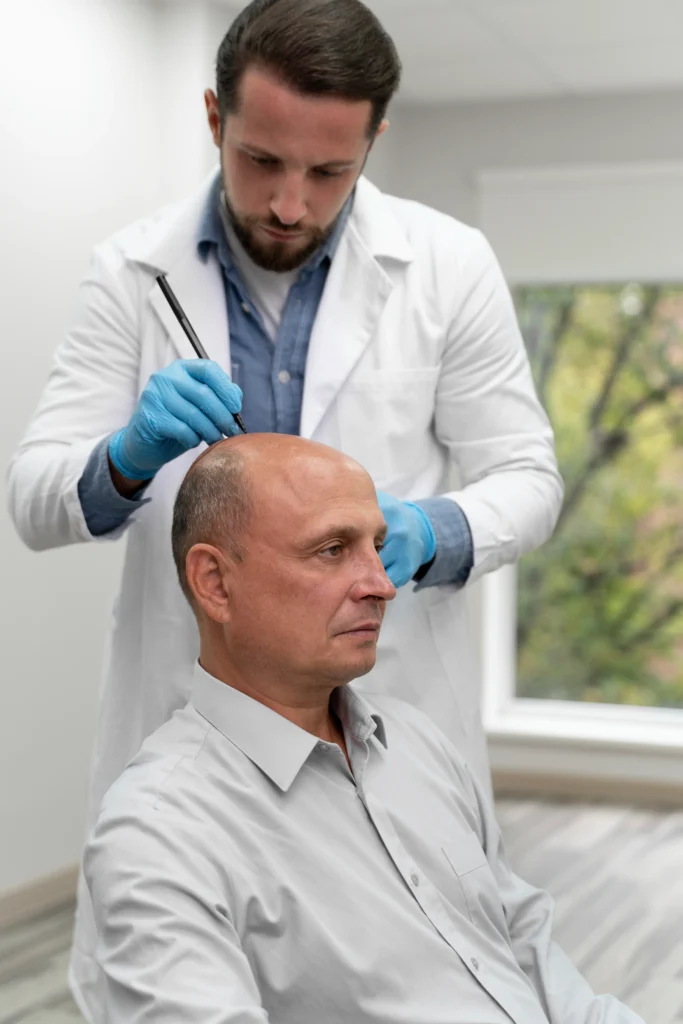
WHAT AFFECTS THE COST?
The cost of hair restoration depends on:
- Type of treatment (medication, PRP/GFC, transplant)
- Number of sessions required
- Extent of hair loss
- Number of grafts needed (in transplant)
- Technique selected (FUE vs FUT)
- Individual scalp characteristics
A personalised consultation provides a structured treatment plan and transparent cost estimate based on your goals and clinical findings.

WHY CHOOSE Dr. Mayur Shetty?
Hair restoration requires technical precision, artistic judgement, and a strong understanding of hairline design. Patients choose Dr. Mayur for his structured, evidence-based approach to both non-surgical and surgical treatments.
Eyelid surgery is one of the most delicate procedures in facial plastic surgery and requires precision, restraint, and a strong understanding of facial harmony.
His focus is on natural hairline aesthetics, balanced density, and long-term sustainability rather than aggressive or artificial results. Every patient receives personalised planning, realistic expectation setting, and attentive follow-up care to ensure stable and natural-looking outcomes.
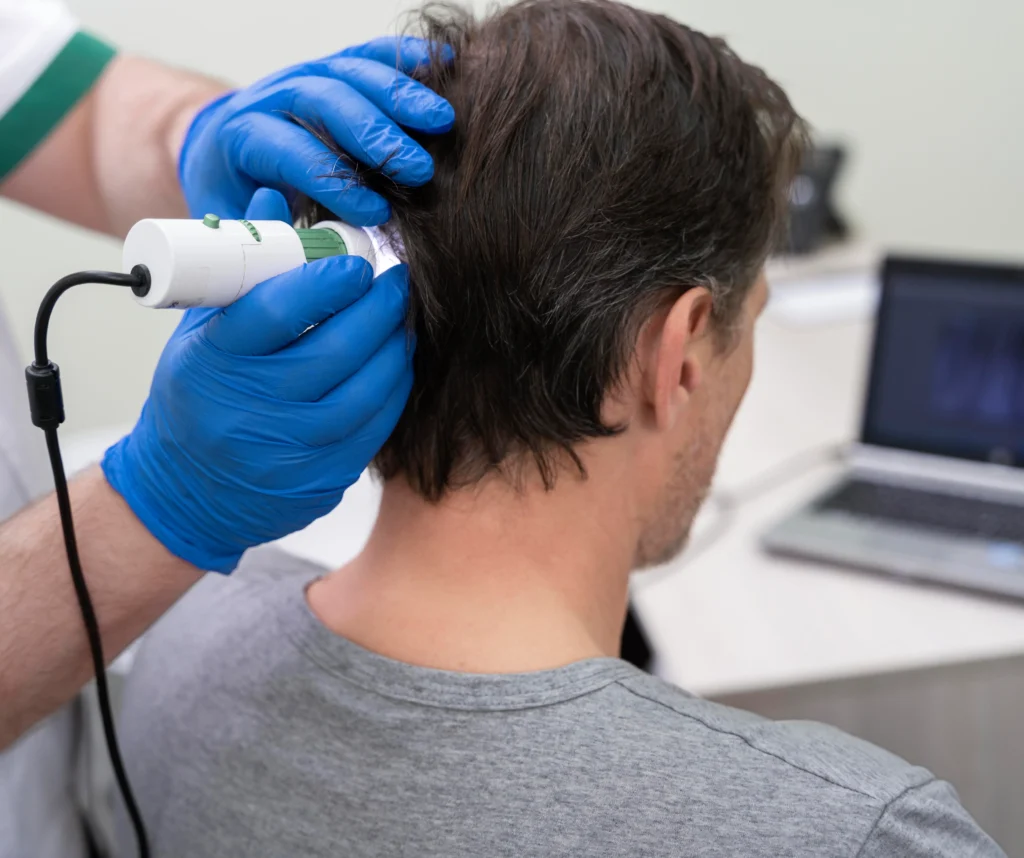
YOUR RECOVERY EXPERIENCE
Recovery varies depending on the treatment performed. Medical therapy integrates easily into daily routine with minimal disruption
PRP / GFC treatments involve mild scalp sensitivity that resolves quickly. Most patients resume normal activities immediately.
Hair transplant surgery requires an initial healing period of approximately 7–10 days. Mild swelling or scabbing may occur temporarily. Transplanted hair sheds within the first few weeks, followed by gradual regrowth over several months.
Visible improvement develops progressively, with fuller results typically evident within 8–12 months.
Structured aftercare instructions and follow-up visits help optimise graft survival and long-term growth.
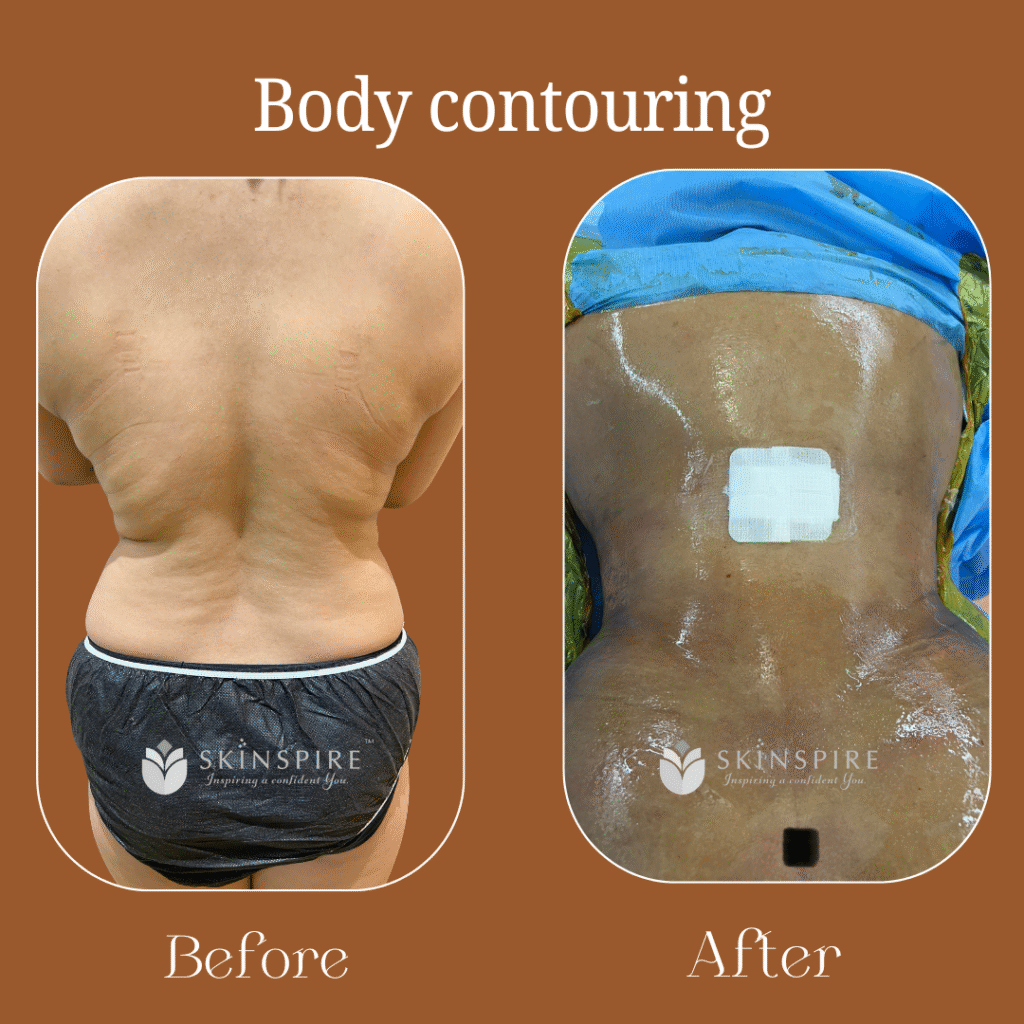
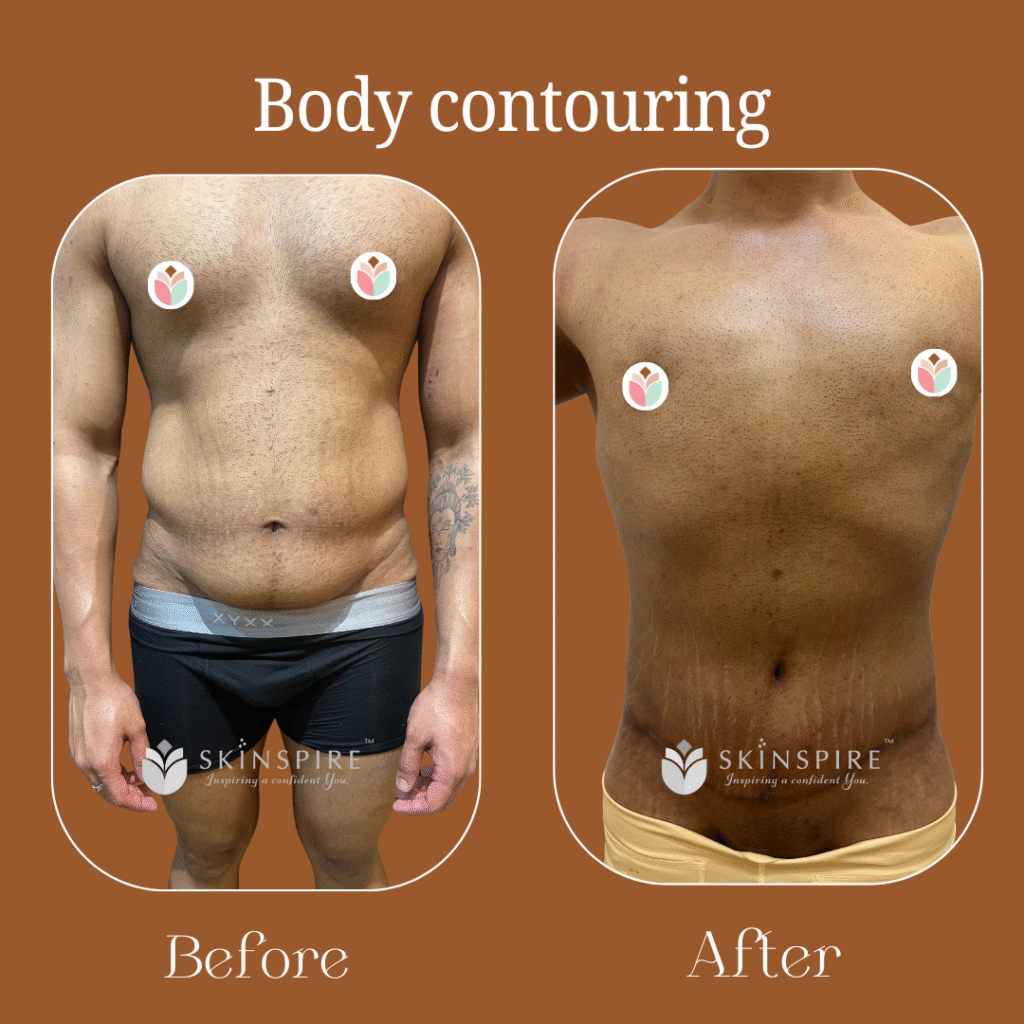
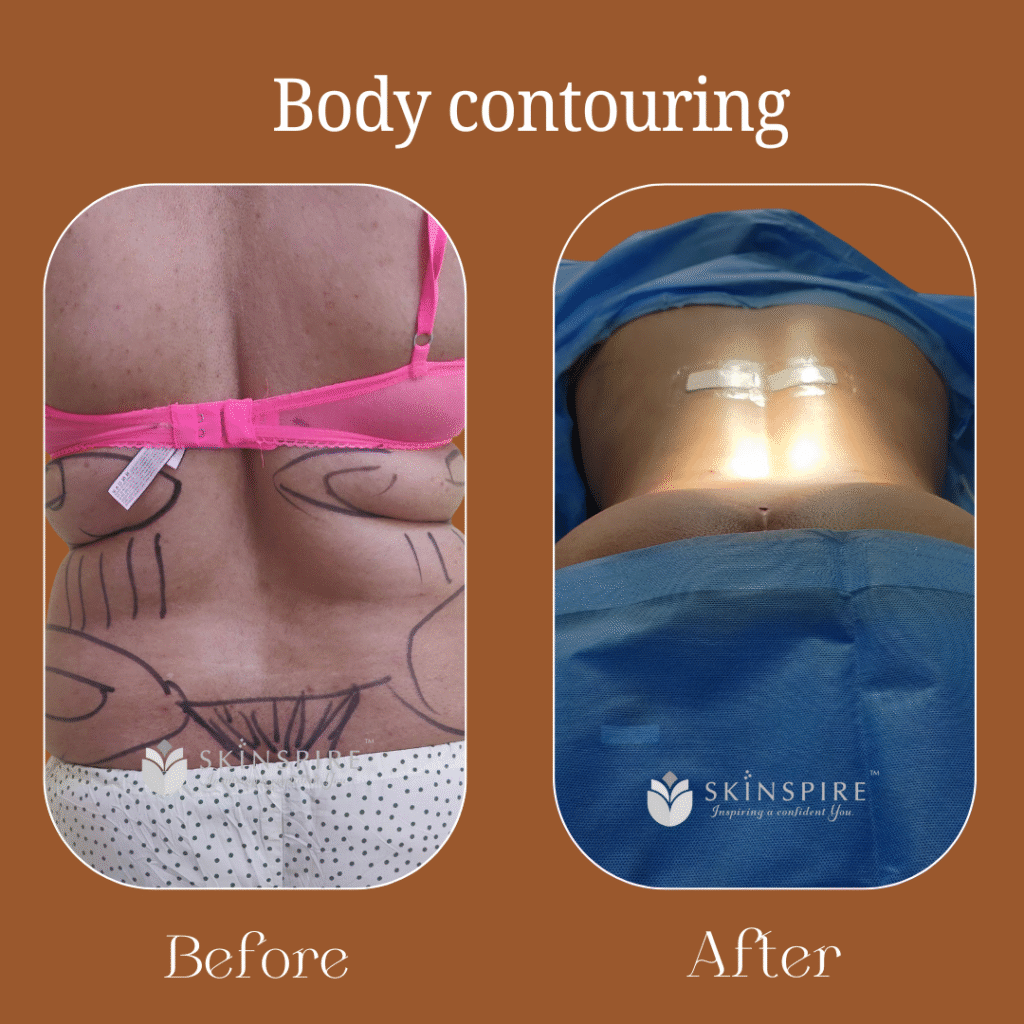
Photo Gallery
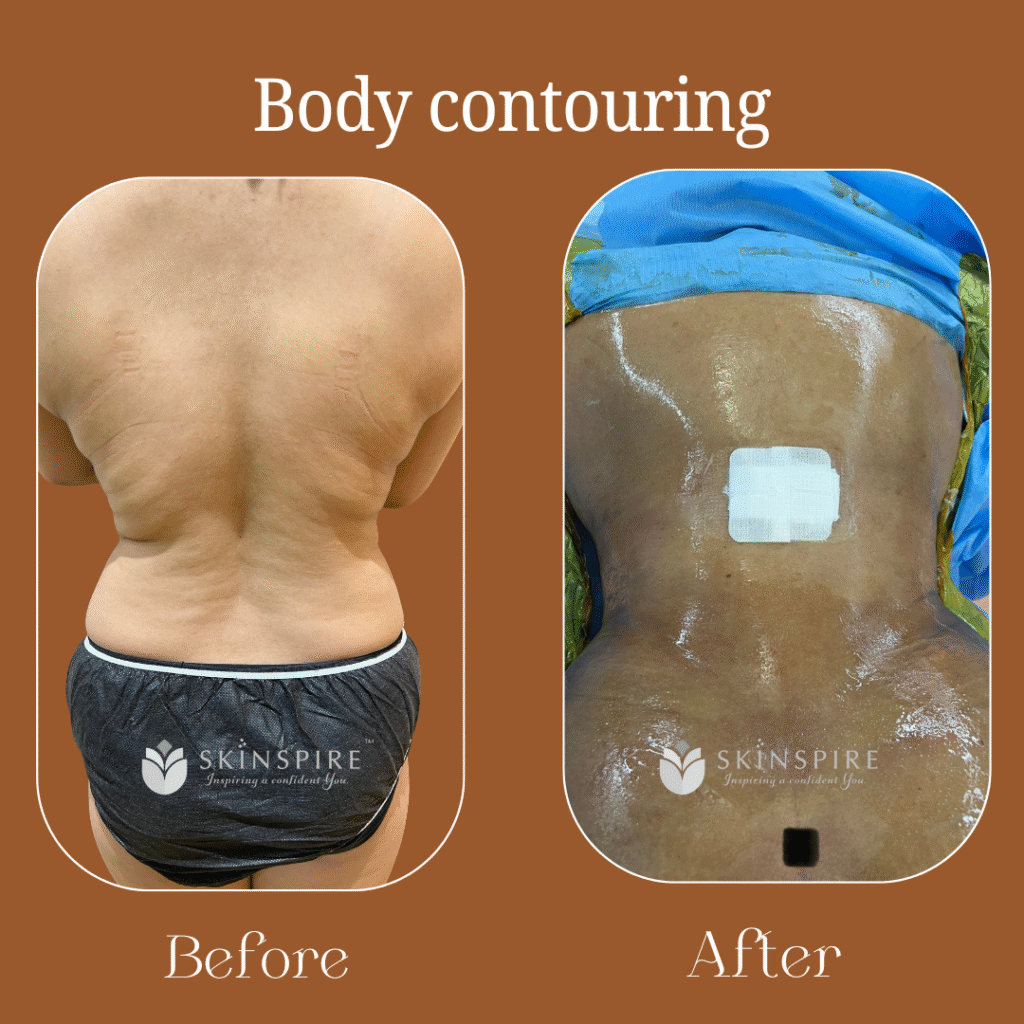
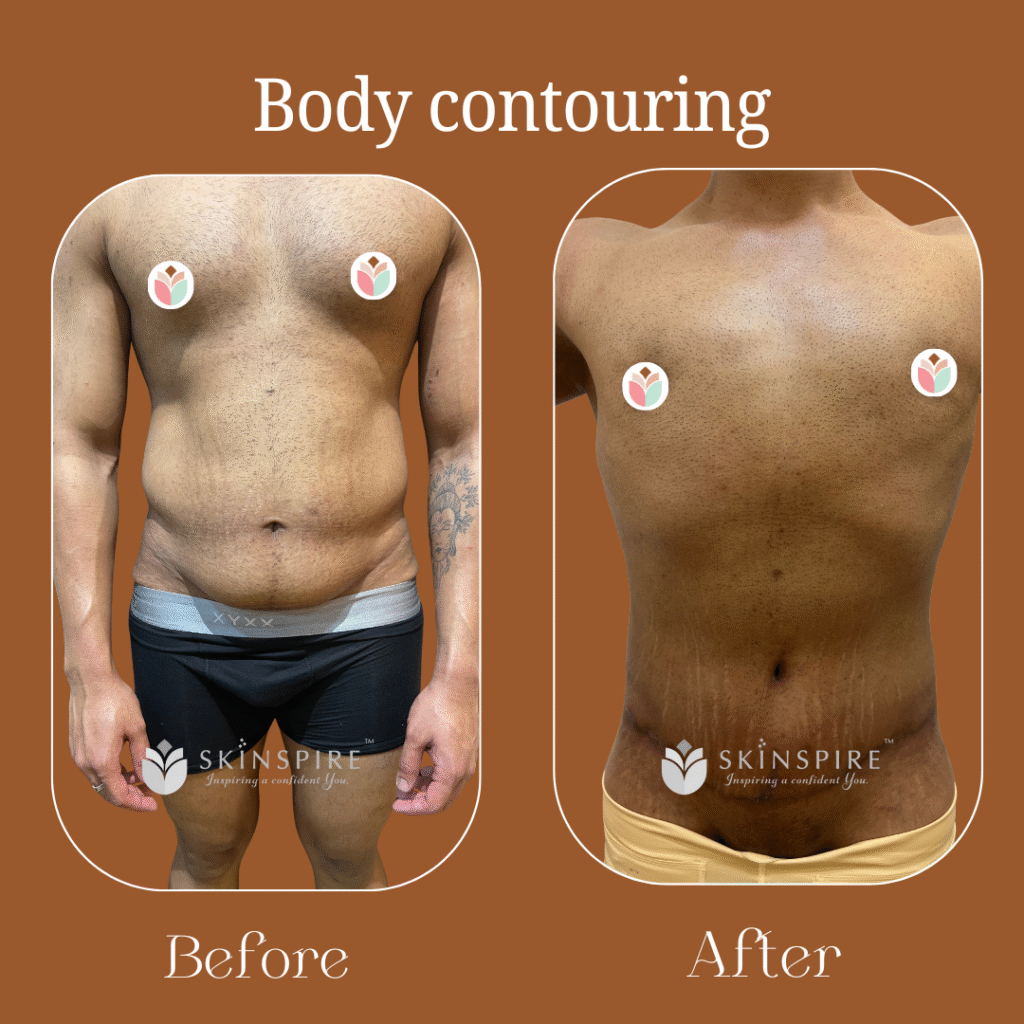
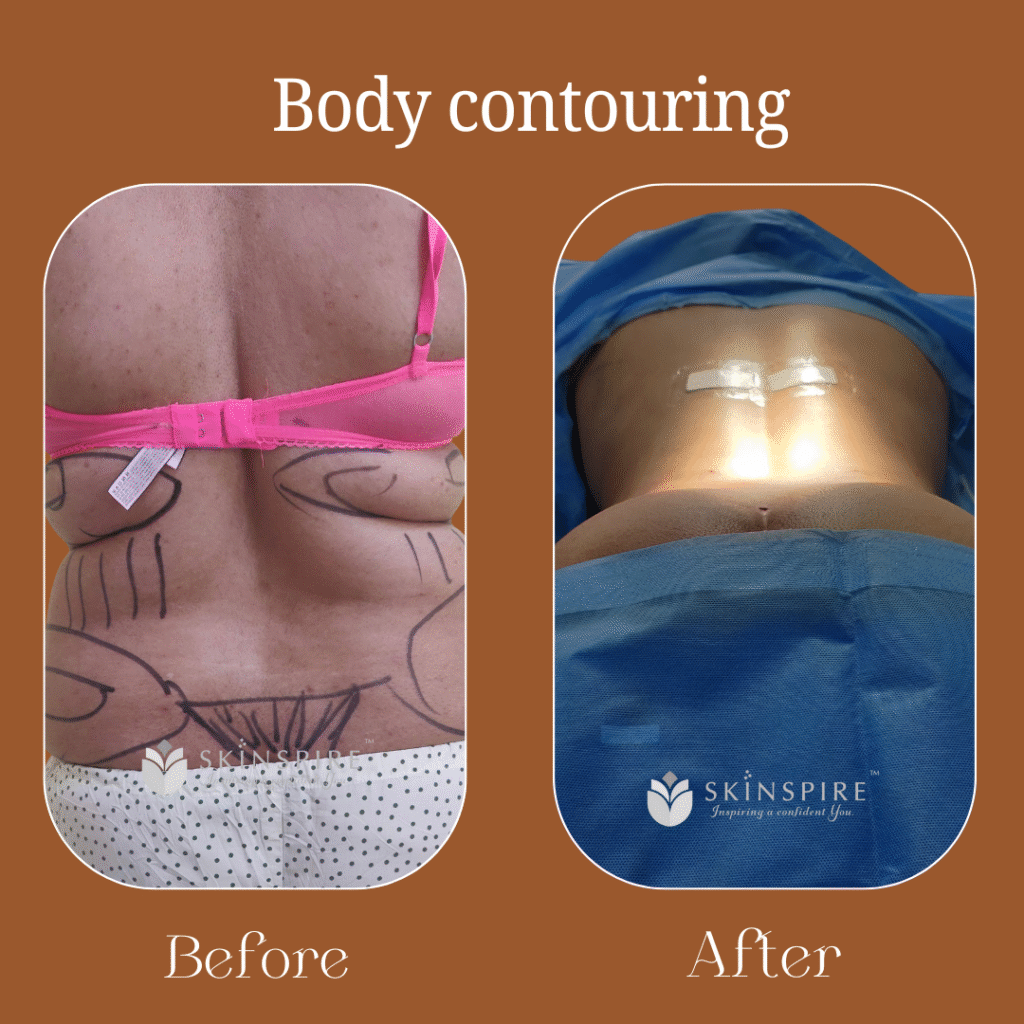
BEFORE & AFTER TRANSFORMATION GALLERY
View real patient results demonstrating:
FREQUENTLY ASKED QUESTIONS
How soon will I see results?
Medications may show improvement in 3–6 months. PRP/GFC typically requires multiple sessions. Hair transplant results develop gradually over 8–12 months.
Are the procedures painful?
PRP and transplant procedures are performed under local anesthesia with minimal discomfort.
Can women undergo hair transplant?
Yes, after proper evaluation of hair loss pattern and donor availability.
How many PRP sessions are needed?
Typically 3–6 sessions spaced 4–6 weeks apart.
Are results permanent?
Transplanted hair follicles are permanent, provided scalp health is maintained.